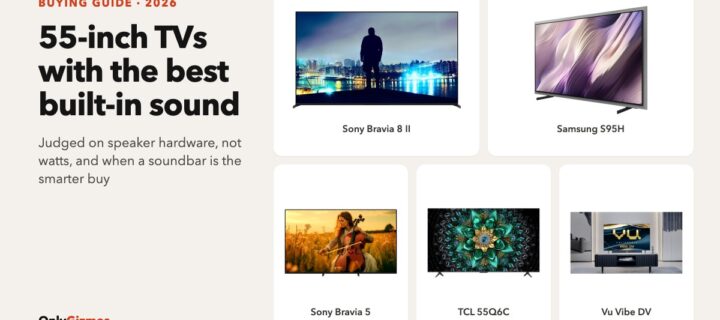
One 55-inch TV box says 88 W, another says 50 W, and the 50 W set is the one reviewers rank among the best-sounding TVs you can buy. If you want a TV that sounds good on its own, without a soundbar under it, the watt figure is the least useful number on the box.
So we judged these TVs on their speaker hardware: how many drivers there are, whether any of them handle bass, how the sound reaches you, and what reviewers and owners report. We haven’t listened to these TVs ourselves. Below are the five 55-inch sets with the best-documented built-in sound in India, from about Rs 39,000 to Rs 2.45 lakh, plus a straight answer on when a Rs 9,000 to Rs 15,000 soundbar beats all of them.
What actually matters when buying
Don’t buy on watts. Indian TV listings rarely say how the watt figure was measured, so one brand’s 88 W and another’s 50 W aren’t comparable. Look at the drivers instead. Vu’s 88 W soundbar uses four small drivers and no woofer; Sony’s 50 W Bravia 8 II has two subwoofers.
Look for a dedicated bass driver. Reviewers who measure TV speakers find most sets short of bass and volume, because a slim cabinet leaves little room for a big driver. A woofer or subwoofer is what gives explosions, background scores and a cricket crowd some weight. In a layout like 2.1 or 4.2.2, the second number is the bass channels; a 2.0 TV has none.
Check how voices reach you. Many TVs, including every 55-inch LG we looked at, fire their speakers downwards, which is why voices can seem to come from under the picture. Dedicated tweeters, an attached soundbar or a screen that vibrates as a speaker all help voices stand out. Dolby Atmos adds real height only when the TV has physical top speakers; on other sets it is processing.
Value the dialogue tools. In a room with a ceiling fan, an AC and street noise, clear voices matter more than bass. Sony’s Voice Zoom 3 and Samsung’s Active Voice Amplifier Pro lift dialogue, and Sony’s auto calibration tunes the sound to the room.
Keep a soundbar upgrade open. Every pick here has an HDMI eARC port for a one-cable soundbar connection. Sony (Acoustic Centre Sync) and Samsung (Q-Symphony) also let the TV’s speakers keep playing alongside their own brand’s soundbar.
Quick answer
- Our pick: Sony Bravia 8 II, around Rs 2,44,500. The most convincing built-in speaker system at 55 inches: the screen itself works as the speaker, backed by two subwoofers. Watch for: the price, and stock is thin.
- Most channels for less: Samsung S95H, around Rs 1,72,000. A 4.2.2-channel system with top speakers for real Dolby Atmos height, about Rs 72,500 less than the Sony. Downside: no DTS, and a review of last year’s S95F, which uses the same speakers, found less bass than the Sony.
- Best for dialogue for less: Sony Bravia 5, around Rs 1,38,000. Two tweeters and Voice Zoom 3 for clear voices in a noisy room. What you lose: the subwoofers, so bass is lighter.
- Best mid-price: TCL 55Q6C, around Rs 60,000. An Onkyo 2.1 system with a real bass unit at the back. Mind: 15% of its Amazon ratings are one-star.
- Best on a budget: Vu Vibe DV, around Rs 39,000. A soundbar built in under the screen, aimed at dialogue. The catch: no woofer, so the big 88 W figure doesn’t mean big bass.
In this guide
- Why the watt number misleads
- Sony Bravia 8 II
- Samsung S95H
- Sony Bravia 5
- TCL 55Q6C
- Vu Vibe DV
- When a Rs 9,000 to Rs 15,000 soundbar beats any TV speaker
- Check the model code before you pay
- Other models we considered
- FAQ
- Which one should you buy?
| Model | Approx. price | Best for |
|---|---|---|
| Sony Bravia 8 II | Rs 2,44,500 | Best built-in sound |
| Samsung S95H | Rs 1,72,000 | Atmos height, most channels |
| Sony Bravia 5 | Rs 1,38,000 | Clear dialogue for less |
| TCL 55Q6C | Rs 60,000 | Bass for less |
| Vu Vibe DV | Rs 39,000 | Loud voices on a budget |
Why the watt number misleads
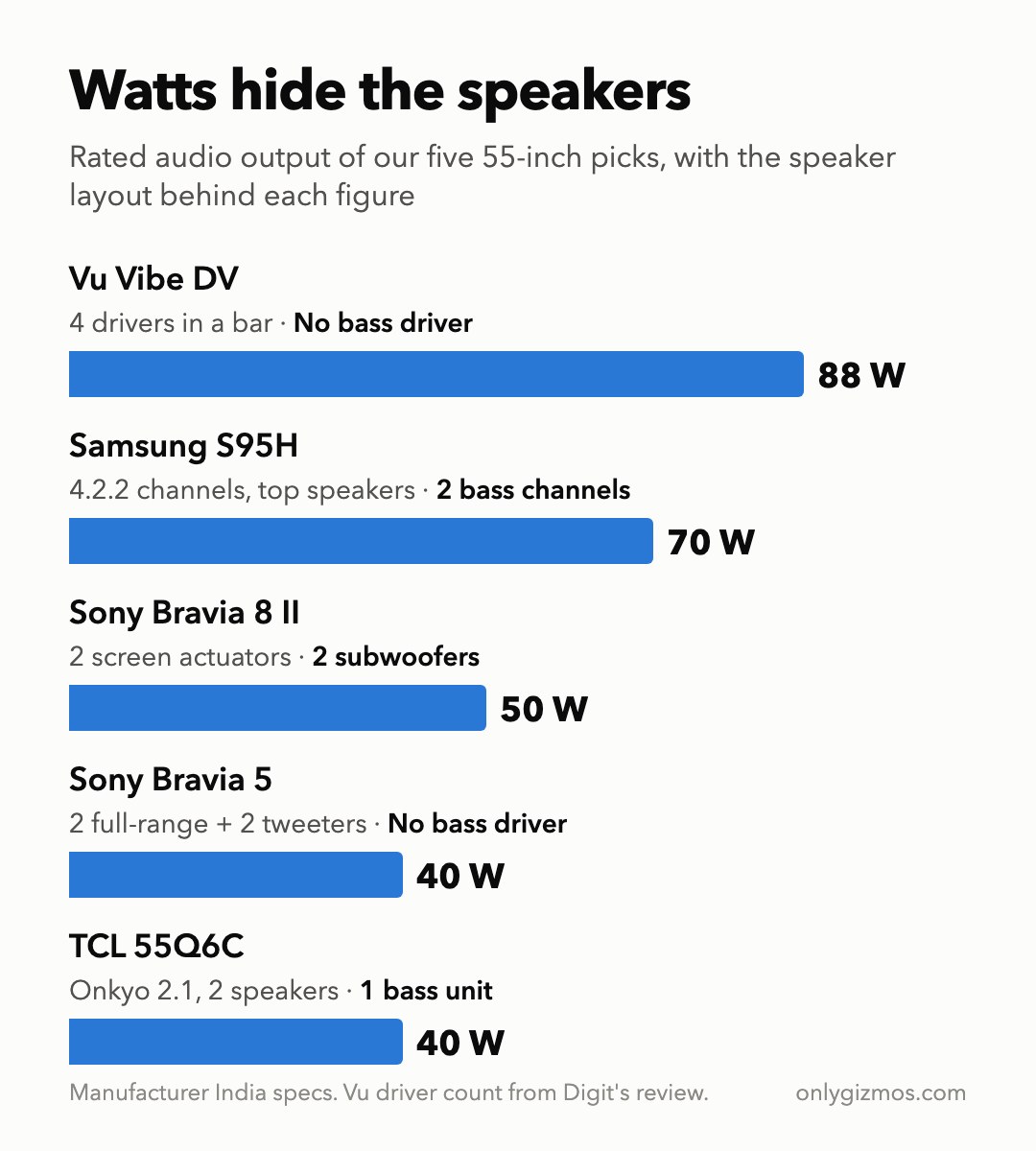
Put our five picks side by side and the cheapest TV has the biggest number. The Vu claims 88 W, more than the Sony Bravia 8 II and the Samsung S95H, yet it’s the only pick besides the Bravia 5 with no driver dedicated to bass. The Bravia 8 II makes do with 50 W and is the set reviewers rate highest.
What separates them is design. The Sony drives its screen with actuators so voices come from the picture, and adds two subwoofers. The Samsung splits sound across 4.2.2 channels, including top-channel speakers for height. The Vu puts four small drivers in a bar under the screen. Each approach has its strengths, and none of them shows up in a watt figure.
Sony Bravia 8 II: Our pick
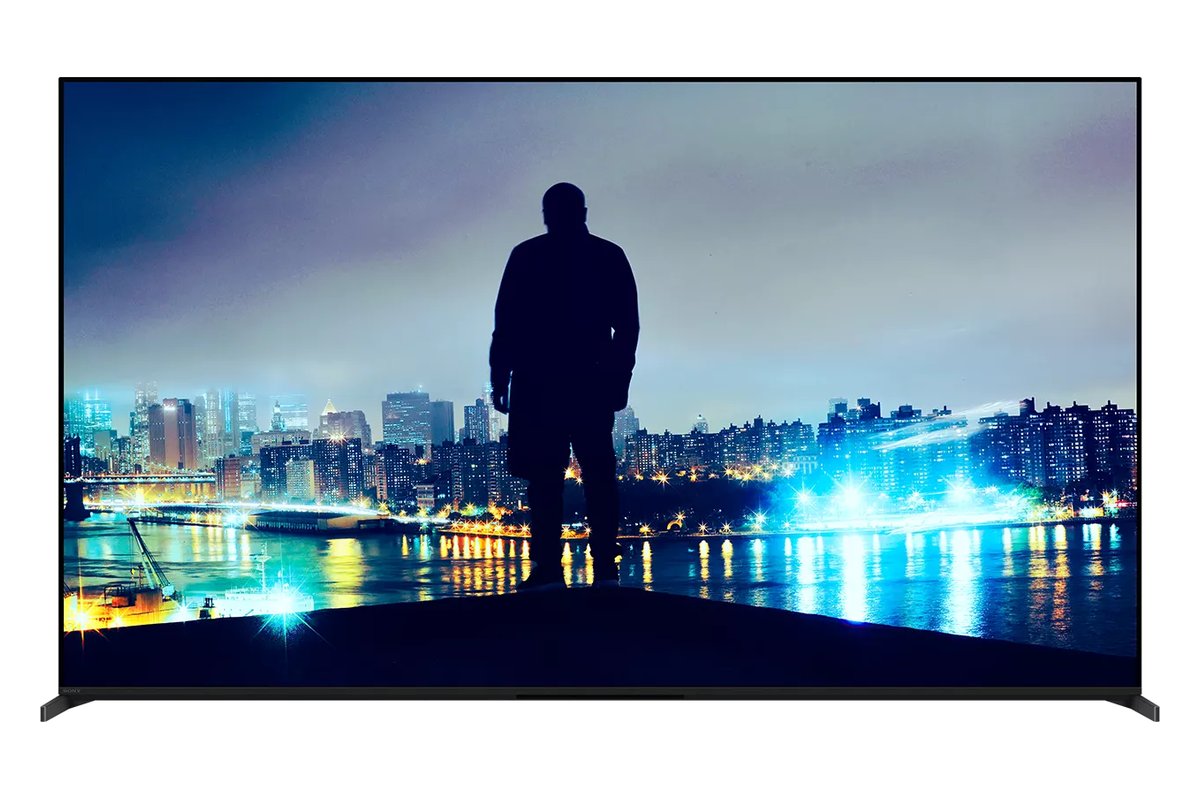
If sound decides the TV, buy the Bravia 8 II (K-55XR80M2). It uses Sony’s Acoustic Surface Audio+: two actuators vibrate the OLED screen so dialogue comes from the faces on screen, and two subwoofers handle the low end.
What Hi-Fi backs up the design. It found the Bravia 8 II’s sound beat the other 2025 flagship OLEDs it compared, including LG’s G5, described the bass as tightly controlled, and counted it among the rare TVs that a budget soundbar wouldn’t better. That is the real argument for spending this much: unless you want a proper home-theatre setup, you may never need a soundbar.
It has Sony’s full set of sound tools, and it decodes both Dolby Atmos and DTS:X. If you add a compatible Sony soundbar later, Acoustic Centre Sync keeps the TV’s screen working as the centre speaker instead of switching it off.
The compromise is money. At around Rs 2,44,500 it costs about Rs 72,500 more than the Samsung S95H, stock is thin, and only 12 owners have rated it on Amazon. For the most channels rather than the best-reviewed sound, the Samsung is the better buy.
Sony Bravia 8 II K-55XR80M2 on Amazon India
Samsung S95H: The most channels for less
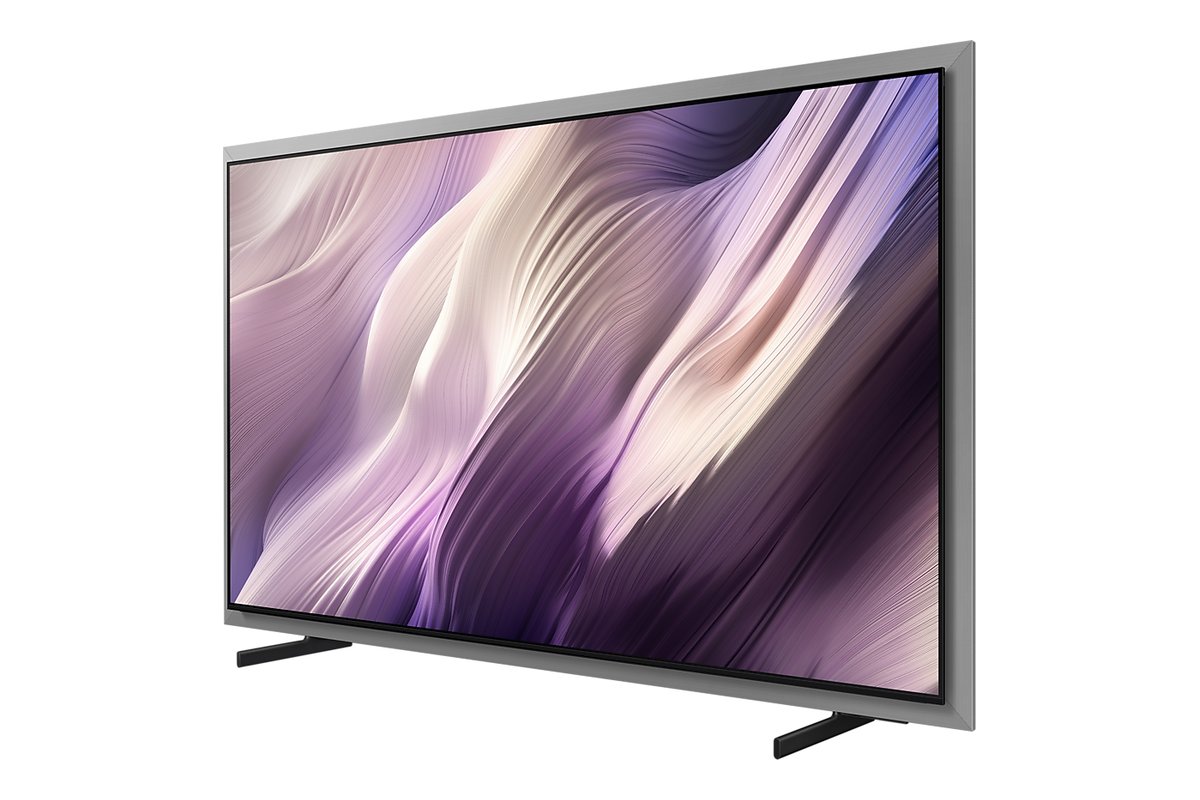
The S95H (QA55S95HXULXL) has the most elaborate speaker layout of any 55-inch TV here: 70 W across 4.2.2 channels, including top-channel speakers. That makes it the only pick that can play Dolby Atmos height effects from physical drivers rather than processing. Samsung’s Object Tracking Sound+ uses those speakers to move sound with what’s on screen, while Active Voice Amplifier Pro pushes voices up as background noise rises.
So why isn’t it our pick? Digit reviewed last year’s S95F on the 77-inch, which uses the same 70 W 4.2.2 system: voices came through clearly from the front, but the bass had less punch than on Sony’s Bravia 8 II. There’s no DTS support either, which only matters if you play DTS soundtracks from a USB drive or Blu-ray player. And no owners have rated this model on Amazon yet.
It still makes sense if you want Atmos height and a big step up from ordinary TV speakers without paying for the Sony. Around Rs 1,72,000 on Amazon, it undercuts Samsung’s own store price of about Rs 1,80,000.
Samsung S95H QA55S95HXULXL on Amazon India
Sony Bravia 5: Best for dialogue for less
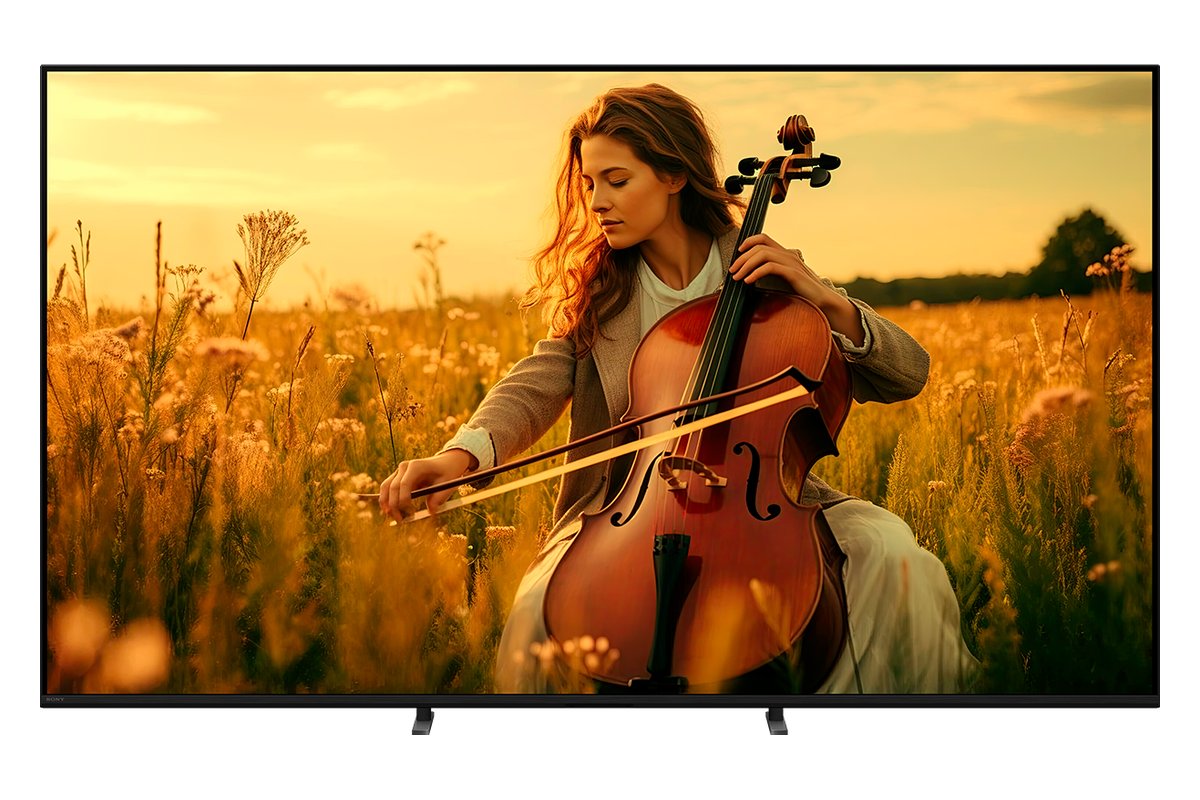
The Bravia 5 (K-55XR55A) is the cheapest way into Sony’s better speaker system. It has four drivers, two full-range units and two tweeters, for 40 W in total. The tweeters, together with Voice Zoom 3, are why this layout suits news, serials and cricket commentary.
It also gets Sony’s auto calibration and decodes Dolby Atmos and DTS:X, like the Bravia 8 II.
What you give up against the Bravia 8 II is the subwoofers, so films and music will have less weight. For about Rs 1,06,500 less, that’s a fair trade if most of what you watch is talk rather than action. Owners rate it 4.4 out of 5 from a small base of 23 ratings, and stock is thin.
Sony Bravia 5 K-55XR55A on Amazon India
TCL 55Q6C: Best mid-price
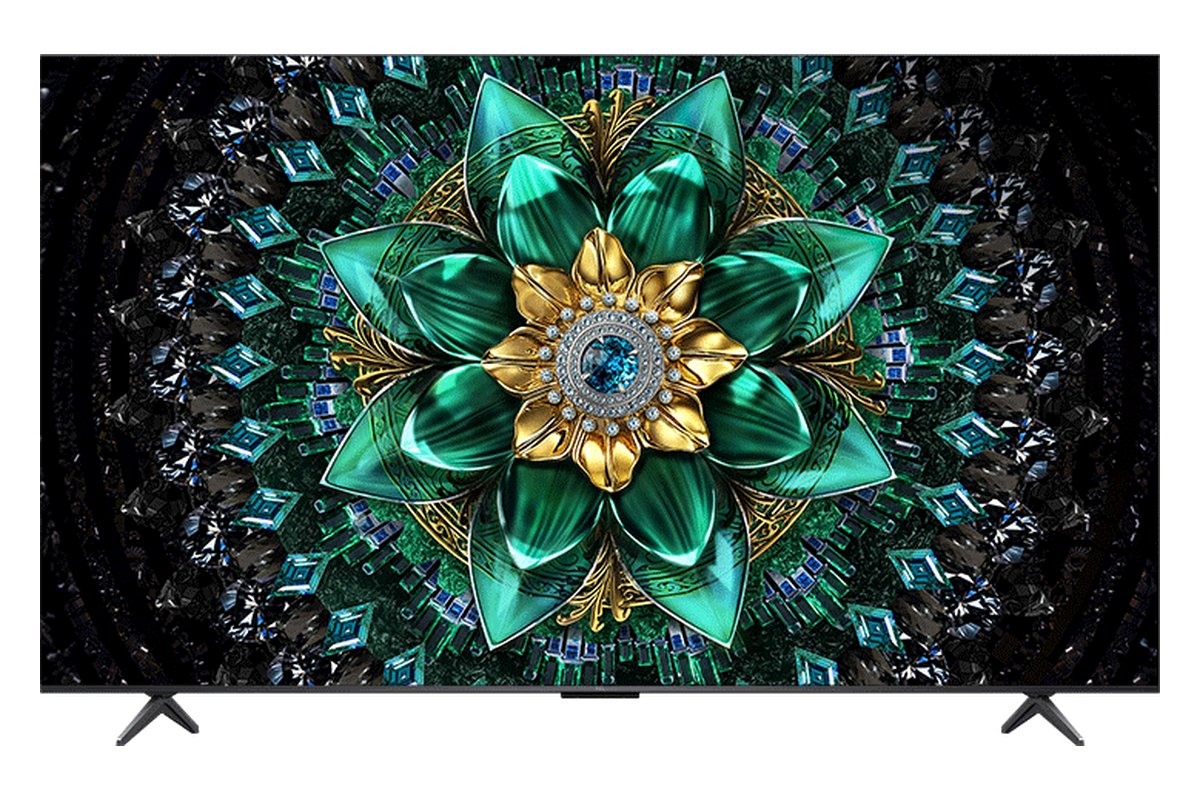
Around Rs 60,000, the 55Q6C is the cheapest TV here with a real bass driver. Its Onkyo 2.1 system pairs two 10 W speakers with a 20 W bass unit mounted at the back. That adds up to 40 W, not the 46 W shown on Amazon.
The bass unit is what lifts it over the 20 W, two-speaker sets that fill this price band. Two 55-inch owners on Amazon describe its built-in sound as surprisingly good.
The worry is reliability, not sound. It rates 4.1 from more than 1,800 ratings, but 15% are one-star, and some owners report the TV failing after eight or nine months. Keep the invoice and register the warranty.
There’s also a cheaper route to better sound, which we work out in the soundbar section below. Buy the TCL if you want one box, a QD-Mini LED panel and some real bass for the money.
Vu Vibe DV: Best on a budget
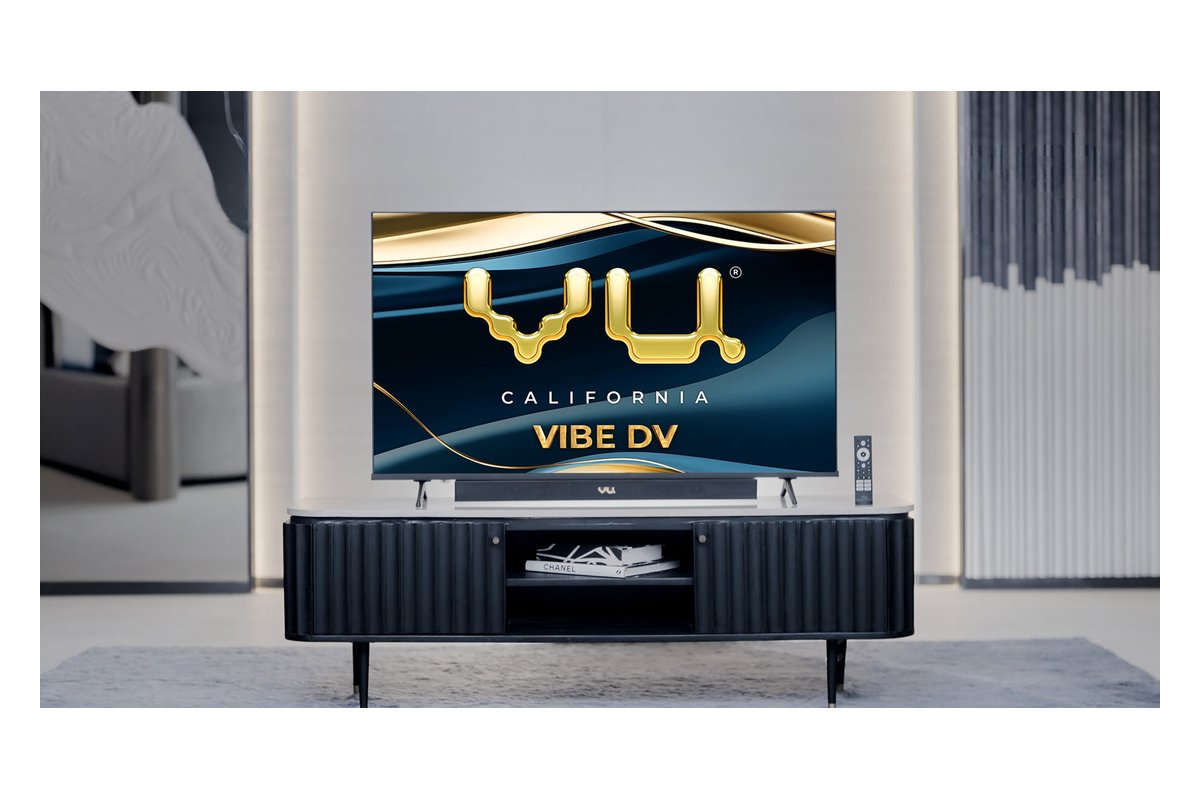
Vu builds the soundbar into the TV. On the Vibe DV (55VIBE-DV), an 88 W Dolby Atmos system sits in a bar attached under the screen and is tuned for dialogue clarity.
Digit’s review of the 55-inch model counted two main speakers and two tweeters, and found the sound loud and engaging with clear enough vocals. It also said the tuning could have been better. Owners on Amazon mention sound quality often and mostly favourably, though one buyer of the 55-inch said the soundbar fell short of what they’d hoped.
With no woofer, don’t expect much deep bass. It comes with a three-year warranty, and it’s sold out on Vu’s own store, so buy it on Amazon.
Buy it if you want loud, clear dialogue on a budget and never want a separate soundbar. Care about bass? Read the next section first.
Vu Vibe DV 55VIBE-DV on Amazon India
When a Rs 9,000 to Rs 15,000 soundbar beats any TV speaker
Below Rs 1 lakh, most 55-inch TVs make do with two speakers, 20 to 30 W and no bass driver. That includes popular sets like the Samsung M2EH from our guide to the best 55-inch 4K TVs under Rs 60000 and Sony’s own Bravia 2 II and Bravia 3 II. A modest soundbar with a woofer beats speakers like these. Here is when we’d buy one instead of paying more for a TV with better speakers:
- Your budget is under about Rs 60,000. A cheaper TV plus a soundbar costs less than the TCL and gets you a separate bass box. The Vu Vibe DV at about Rs 39,000 plus Sony’s HT-S20R 5.1 system at about Rs 14,800 comes to about Rs 53,800, roughly Rs 6,000 less than the TCL 55Q6C. A Xiaomi FX Pro at about Rs 35,500 with Samsung’s HW-B45EF 2.1 soundbar at about Rs 11,500 is about Rs 47,000, roughly Rs 13,000 less.
- You want bass for films and cricket. Only the Sony Bravia 8 II, Samsung S95H and TCL here have dedicated bass drivers, and none of them has room for a driver the size of a soundbar’s separate subwoofer.
- The upgrade costs more than the soundbar. The S95H costs Rs 42,000 more than the S90H, whose speakers are 40 W 2.1. An S90H plus the HT-S20R is still about Rs 27,000 cheaper than the S95H alone.
Three soundbars worth the money in this range:
- Samsung HW-T42E, around Rs 9,000. A 2.1 bar with the woofer built in, so there’s no separate box. It connects by optical cable or Bluetooth rather than HDMI. The cheapest real upgrade.
- Samsung HW-B45EF, around Rs 11,500. A 2.1 bar with a separate subwoofer and an HDMI ARC input.
- Sony HT-S20R, around Rs 14,800. A 5.1 system with a subwoofer and two rear speakers, rated 4.6 from more than 20,000 Amazon buyers.
Where the soundbar has HDMI, connect it to the TV’s eARC or ARC port so one remote controls the volume. Our page on TVs with multiple HDMI ports explains why that matters once a set-top box and console are plugged in too.
When the TV wins: if you’ve bought the Bravia 8 II, a cheap soundbar is unlikely to be an upgrade. A TV with good speakers also makes sense in a bedroom or a small room, on a wall with nowhere to put a bar, or if you simply want one box and no extra cables.
Check the model code before you pay
Similar names hide very different speakers:
- Sony K-55XR80M2 is the Bravia 8 II with two subwoofers. The older K-55XR80 (Bravia 8) keeps the screen actuators but swaps one subwoofer for two tweeters. Check for the M2 at the end.
- Samsung QA55S95HXULXL (S95H) has 70 W in 4.2.2 channels. The QA55S90HAULXL (S90H) has 40 W in 2.1 channels with virtual height only.
- Sony’s Bravia 3 II and Bravia 2 II share the Bravia name but get two full-range speakers, 20 W and no Voice Zoom.
- TCL 55Q6C has the 2.1 Onkyo system. The 55-inch Q6CS and C6KS have the same system with a slower panel, but their 50-inch versions drop to 2.0 without Onkyo.
- Vu 55VIBE-DV has Dolby Atmos decoding. The 2024 55VIBE24 has the same 88 W bar but Dolby Audio only, and no Dolby Vision.
Other models we considered
Hisense 55E8S, out of stock. A 49 W 2.1 system with a 25 W woofer, tuned by Devialet, and early buyers of the 55-inch are happy with both its sound and its bass. Ignore the 61 W on its Amazon listing; the real figure is 49 W. The series launched from about Rs 58,000; if the 55-inch comes back near that, it’s a strong alternative to the TCL.
Vu Masterpiece 55MASTERPIECE, out of stock. On paper the most generous system here: 124 W in a 2.1.2 layout with seven drivers, including a subwoofer, though Vu doesn’t say any driver fires upwards. It’s a 2024 model, unavailable on Amazon, though it’s about Rs 57,400 on Vu’s own store.
Samsung S90H, around Rs 1,30,000. Its 40 W 2.1 speakers are a big step down from the S95H. Buy it with a soundbar, not for its sound.
TCL 55C7L, around Rs 99,000. Its audio is by Bang & Olufsen, with Dolby Atmos and DTS, but TCL publishes no wattage or speaker layout for it. We can’t rank speakers we can’t describe.
Xiaomi FX Pro 55, around Rs 35,500. Owners mostly like its 34 W box speakers, but there’s no woofer, and it has Dolby Audio rather than Atmos decoding. It’s the cheapest TV we’d pair with a soundbar.
LG OLED C6 and G6. The 55-inch C6 (OLED55C6PLA) has 40 W 2.2 speakers and the G6 has 60 W 4.2, all firing downwards. The C6 is unavailable on Amazon, and What Hi-Fi rated the 65-inch G6’s sound well short of the Bravia 8 II despite its bigger numbers.
Left out: TCL’s 55P71K is sold on Amazon as “35 W Onkyo 2.1”, but TCL India publishes no spec for it, and the European P71K has two speakers and 20 W. Hisense’s 55E75Q has a 48 W claim we couldn’t trace to Hisense.
FAQ
Does more wattage mean better TV sound? No. Indian listings don’t use a common way to measure watts, and the number says nothing about bass drivers or how the speakers are arranged. Our cheapest pick claims 88 W; our best-reviewed pick has 50 W.
Do I need a soundbar with a 55-inch TV? With most TVs under Rs 1 lakh, yes, if you watch films or sport: a Rs 9,000 to Rs 15,000 soundbar with a woofer beats 20 to 30 W TV speakers. With the Sony Bravia 8 II, you can reasonably skip it. The Samsung S95H is the next best bet.
Does Dolby Atmos on a TV’s own speakers make a difference? Only with physical top speakers, like the Samsung S95H’s. On most TVs, the Atmos logo means the TV can decode the format and simulate height with processing, which can’t place sound above you.
Which TV has the clearest dialogue? Look for dedicated tweeters, screen actuators or an attached bar, plus a dialogue feature. Sony’s Bravia 8 II and Bravia 5 (with Voice Zoom 3) and the Vu Vibe DV’s built-in bar are the strongest here.
Can I use the TV speakers together with a soundbar? Yes, within the same brand. Sony’s Acoustic Centre Sync uses the TV as the centre speaker with compatible Sony soundbars, and Samsung’s Q-Symphony plays the TV and a Samsung soundbar together. It’s a nice extra, but we wouldn’t let it decide which soundbar you buy. If you’d rather use wireless headphones at night, see our guide to TVs with Bluetooth connectivity.
Which one should you buy?
If built-in sound decides it and the budget allows, buy the Sony Bravia 8 II. It’s the 55-inch TV most likely to make a soundbar unnecessary.
Pick the Samsung S95H if you want real Atmos height and the most channels for about Rs 72,500 less. Pick the Sony Bravia 5 if most of what you watch is dialogue and you want Sony’s voice tools for about Rs 1,38,000.
Under Rs 60,000, the TCL 55Q6C is the TV with a real bass unit, and the Vu Vibe DV is the budget pick for loud, clear voices. If you’ll accept a soundbar, the smarter buy at this money is a Xiaomi FX Pro 55 with Samsung’s HW-B45EF, about Rs 47,000 for the pair and Rs 13,000 less than the TCL.
Last updated: October 2026