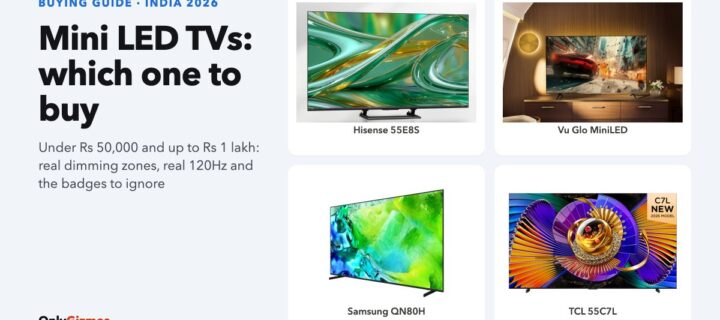
Mini LED is the best-value picture upgrade you can make this year. For about the price of a good QLED, you get a backlight that dims behind dark parts of the picture, so night scenes look deep instead of grey, and it stays bright enough for a sunny Indian living room. The trouble is the label. “Mini LED” now appears on TVs with hundreds of dimming zones and on TVs whose makers won’t say how many they have, and “144Hz” on a listing can mean anything from a real gaming panel to a 60Hz screen running a trick.
We checked every pick against its maker’s spec sheet for the exact 55-inch Indian model code, and every pick is on Amazon India with a live offer. You get the best Mini LED TV under Rs 50000, the best between Rs 50,000 and Rs 1 lakh, a gaming pick, and the listings to avoid.
What actually matters when buying a Mini LED TV
Dimming zones, and whether the maker tells you. A Mini LED backlight is split into zones that dim separately. More zones keep the glow around bright objects (called blooming) tighter, though the dimming software matters as much as the count. Toshiba publishes 128 zones for its 55-inch and TCL 800 for its pricier 55-inch. Samsung and Vu publish none, and Hisense’s “up to 608” is a figure for the whole series. A published number is something you can compare; a “Mini LED” badge with no number is a promise.
The real refresh rate. For a PS5 or Xbox at 4K 120 you need a panel that’s natively 120Hz or faster and an HDMI 2.1 input. “DLG 120”, “120Hz HSR” and “Game Booster” are a 60Hz panel running at half resolution: fine for cricket, not for 4K 120 gaming. Samsung’s “144Hz” rating is the top VRR speed on a 120Hz-class panel, which is all a console uses.
Dolby Vision or HDR10+. Netflix and JioHotstar’s 4K plans deliver HDR in Dolby Vision on a TV that supports it. Samsung supports only HDR10+, so on a Samsung those titles play in plain HDR10. Hisense, Toshiba and TCL support both, and Vu supports Dolby Vision. Our Dolby Vision and Atmos guide explains what each adds.
Brightness for your room. This is where Mini LED beats OLED: an LCD holds far more brightness across the whole screen, which is what a cricket match in an afternoon-lit hall needs. If you watch mostly at night in a dark room, an OLED still has the edge on black; our OLED vs QLED vs Mini LED explainer weighs the two.
Service. A TV lasts years, so after-sales matters. Samsung gives a three-year comprehensive warranty on all but its cheapest Mini LED, and Vu gives three years; Hisense, TCL and Toshiba don’t publish a term on their product pages, so ask the seller before you pay.
Quick answer
- Our pick: Hisense 55E8S, around Rs 50,500. A native 144Hz Mini LED with Dolby Vision and HDR10+, up to 1,000 nits and four HDMI inputs, for barely more than the cheapest sets. The trade-off: VIDAA instead of Google TV, and a zone count Hisense quotes only for the series.
- Under Rs 50000: Vu Glo MiniLED 55, around Rs 45,000. Full-array local dimming, Dolby Vision, Google TV and the biggest speaker system under Rs 50,000 here: 50W with two woofers. The catch: it’s a 60Hz panel.
- Cheapest with a published zone count: Toshiba 55Z670SP, around Rs 65,000. 128 published zones, a 120Hz panel, Dolby Vision and HDR10+. The catch: only two of its four HDMI inputs are HDMI 2.1, and Amazon stock comes and goes.
- Best for gaming: Samsung QN80H, around Rs 88,000 when in stock. 4K 144 on all four HDMI inputs, FreeSync Premium Pro and a three-year warranty. Watch for: no Dolby Vision.
- Brightest picture under Rs 1 lakh: TCL 55C7L, around Rs 99,000. 800 zones, up to 2,700 nits, Dolby Vision and HDR10+. The catch: TCL’s service reputation.
Want a Samsung for less? The Samsung M80H (around Rs 64,000) is the Samsung Mini LED to buy below the QN80H.
In this guide
- Under Rs 50000
- Vu Glo MiniLED 55
- Rs 50000 to Rs 1 lakh
- Hisense 55E8S
- Toshiba 55Z670SP
- Samsung M80H
- TCL 55C7L
- Samsung QN80H
- What the extra money buys
- Spot fake Mini LED and fake 144Hz
- What owners report
- Other Mini LED TVs we considered
- Which one should you buy?
| Model | Price | Best for |
|---|---|---|
| Vu Glo MiniLED 55 | Rs 45,000 | Under Rs 50,000; sound |
| Hisense 55E8S | Rs 50,500 | Most homes |
| Samsung M80H | Rs 64,000 | Samsung buyers |
| Toshiba 55Z670SP | Rs 65,000 | A zone count you can check |
| Samsung QN80H | Rs 88,000 | PS5 and Xbox |
| TCL 55C7L | Rs 99,000 | Brightest picture |
If you’ve read our 55-inch 120Hz TVs guide, four of these will look familiar. That guide ranks TVs on motion and gaming ports; this one ranks Mini LEDs on dimming, brightness and HDR, and adds the under-Rs-50,000 band.
Under Rs 50000
Below Rs 50,000 a Mini LED is a 60Hz TV with a better backlight than a QLED. That’s still a real upgrade for films and series. Just don’t expect 4K 120 gaming here.
Vu Glo MiniLED 55: Best under Rs 50000
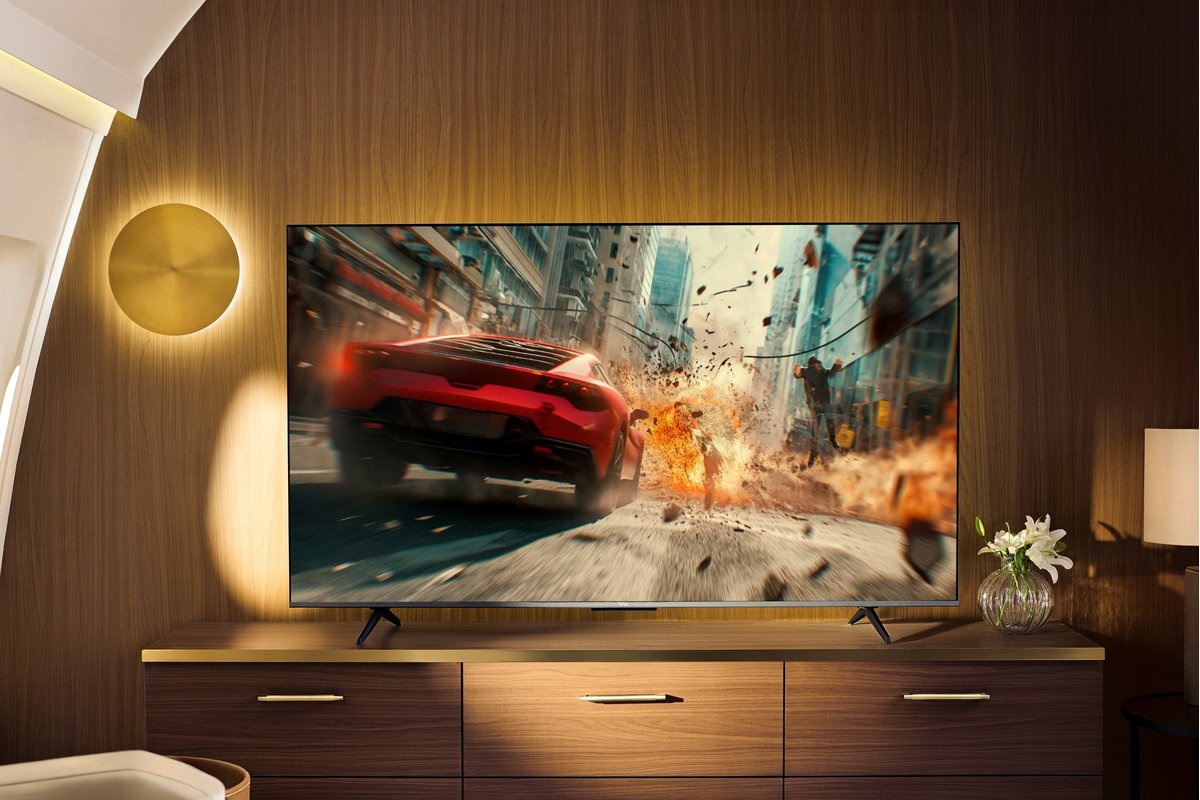
The Glo MiniLED 55 (VUGLO55MINILEDTV) is the Mini LED we’d buy under Rs 50,000. Its backlight uses full-array local dimming, rated up to 600 nits for HDR, so it can dim the dark parts of a scene, which a QLED without local dimming can’t. It supports Dolby Vision, runs Google TV with Gemini, and comes with a three-year warranty.
The sound is the standout. Vu fits a 50W 2.2-channel system with two woofers and Dolby Atmos, and owners repeatedly praise it in their Amazon reviews. The Xiaomi FX and Samsung M2EH near this price have 20W and 30W, with no woofer listed.
The limits: Vu sells it as “120Hz HSR”, which is a 60Hz panel running a half-resolution mode, so a PS5 runs 4K at 60Hz. Vu doesn’t publish a zone count, so you’re trusting the result rather than a number. It doesn’t support HDR10+, and Vu doesn’t publish the wall-mount (VESA) pattern; ask before installation day.
Vu Glo MiniLED 55 on Amazon India
Rs 50000 to Rs 1 lakh
This band is where Mini LED gets genuinely good: real 120Hz-plus panels, published zone counts on some sets and, outside Samsung, both HDR formats. Spend more here only for a reason, whether that’s ports, brightness or the brand.
Hisense 55E8S: Our pick
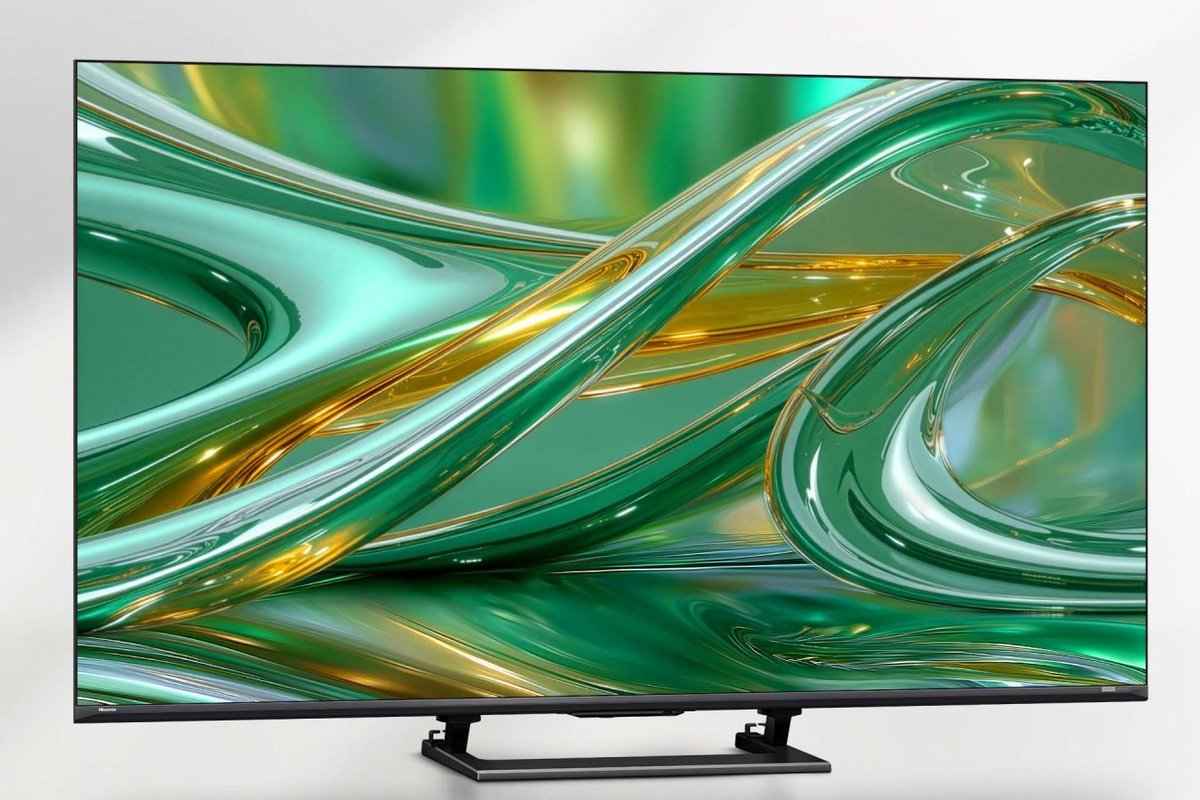
The 55E8S is the Mini LED we’d buy for most homes. For around Rs 50,500, only about Rs 5,500 more than the Vu, it moves up to a native 144Hz panel, up to 1,000 nits, and both Dolby Vision IQ and HDR10+. That means Netflix and JioHotstar’s Dolby Vision titles play in Dolby Vision, and HDR10+ titles in HDR10+.
It’s a proper gaming TV too: four HDMI inputs, VRR from 48 to 144Hz, ALLM and FreeSync Premium. Hisense doesn’t say which inputs are HDMI 2.1, so check the port labels before you plug in a console. Sound is a 49W 2.1 system tuned by Devialet, with Dolby Atmos. It’s also the more-for-less pick in our 55-inch TVs under Rs 60000 guide.
The compromises: it runs VIDAA, Hisense’s own system, not Google TV. Owners of VIDAA sets describe it as quick, but check your regional apps are there before you buy. Hisense’s “up to 608 zones” appears on several models’ spec tables, so treat it as a series figure, not this TV’s count. And 16% of its Amazon ratings are one-star, about the same share as most TVs here.
Toshiba 55Z670SP: Cheapest with a published zone count
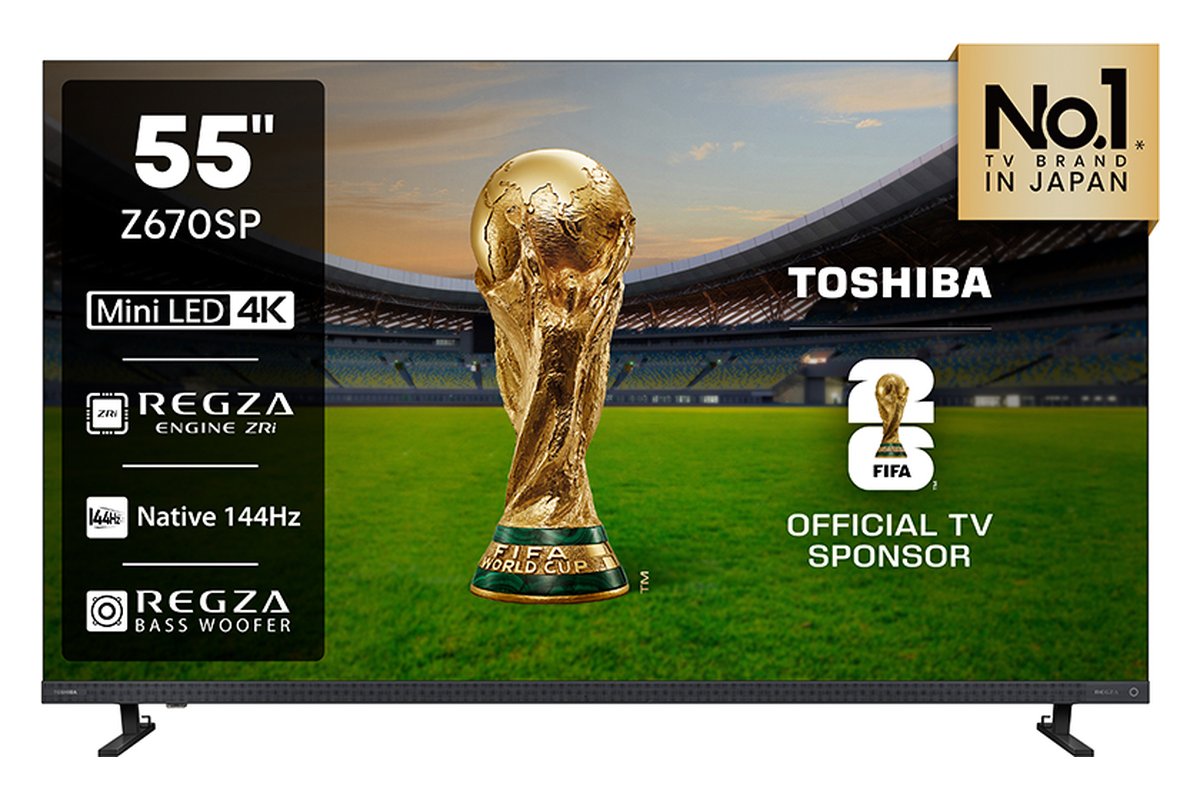
The 55Z670SP is for a buyer who wants a dimming-zone count they can check. It’s the cheapest 55-inch here with one, 128 zones, and it’s rated at 400 nits typical and 600 at peak. It supports Dolby Vision IQ and HDR10+, and its four front-firing speakers handle Dolby Atmos.
It’s a 120Hz panel (Toshiba’s headline and the Amazon title say “native 144Hz”, but its own spec table says 120Hz) that accepts 4K up to 144Hz with VRR and FreeSync Premium. Plan the ports: only HDMI 3 and 4 are HDMI 2.1, and eARC is on HDMI 2. One console on HDMI 3 or 4 and a soundbar on HDMI 2 works; two consoles take both fast ports.
The catches: it runs VIDAA, Amazon stock comes and goes, and Toshiba doesn’t publish its warranty term on the product page, so ask the seller.
Toshiba 55Z670SP on Amazon India
Samsung M80H: The Samsung pick
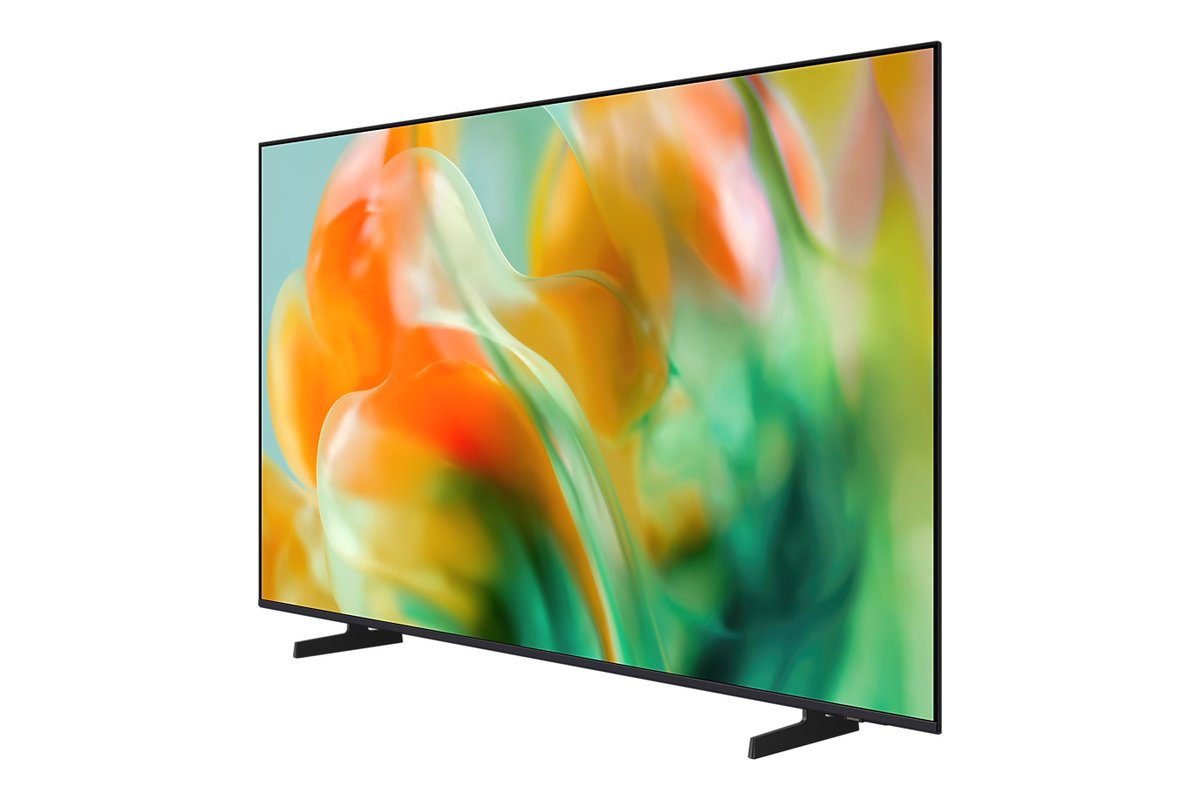
If you want a Samsung, Tizen and a three-year comprehensive warranty, the M80H (UA55M80HAULXL) is the Samsung Mini LED to buy at around Rs 64,000. It’s rated 144Hz with VRR, FreeSync Premium, ALLM and HGiG, so it’s built for 4K 120 gaming, but Samsung doesn’t say which of its three HDMI inputs carry it; check the port labels before you plug in a console.
On paper it gives up a lot to the Hisense for Rs 13,500 more: three HDMI inputs instead of four, 30W of sound with no Atmos listed, no Dolby Vision, and no zone count or brightness figure. Buy it for the brand, Tizen and the three-year comprehensive warranty. Don’t confuse it with the cheaper M70H and M2EH, which are 50/60Hz sets (see below).
TCL 55C7L: Brightest picture under Rs 1 lakh
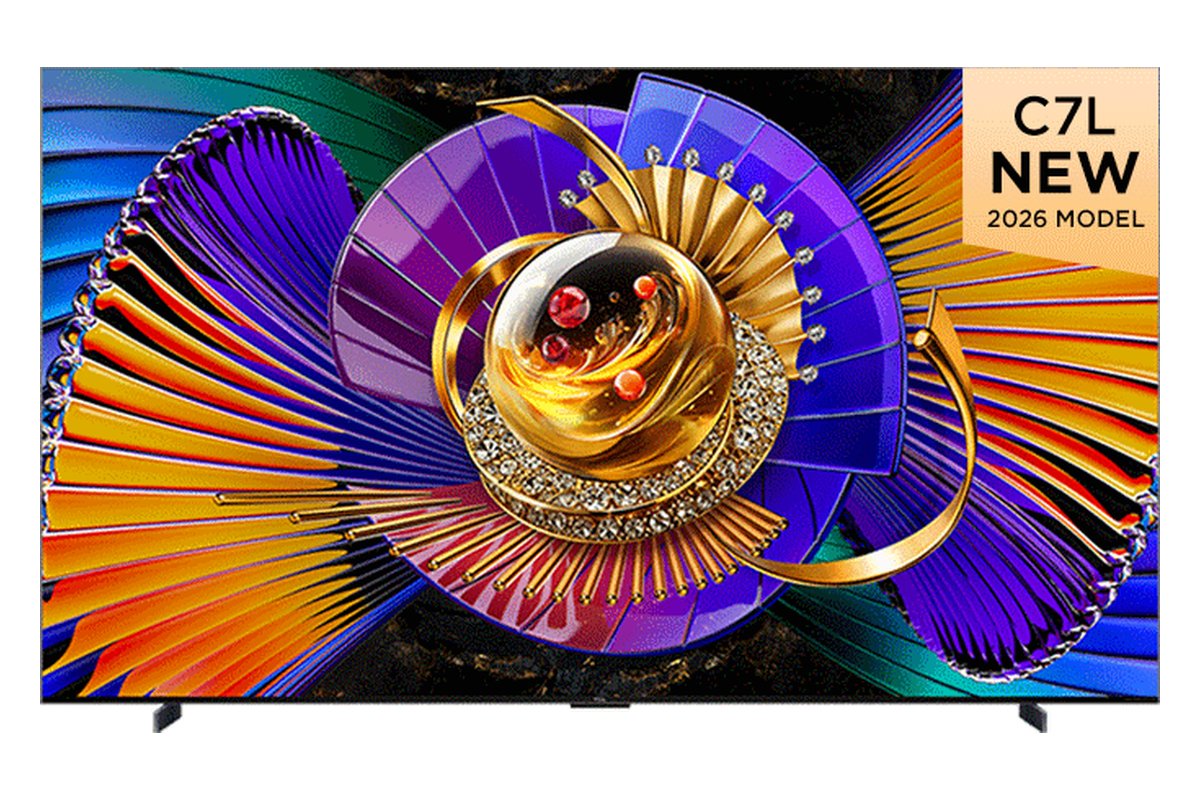
The 55C7L is the best Mini LED picture under Rs 1 lakh on paper, at around Rs 99,000. It has 800 dimming zones and reaches up to 2,700 nits, the highest figure any maker here publishes for a 55-inch, which helps both a sunlit room and HDR highlights. It supports Dolby Vision IQ and HDR10+, and the sound is by Bang & Olufsen with Dolby Atmos.
It has a 144Hz panel. The “288Hz” on Amazon is a half-resolution mode for PC games on HDMI 1 and 2, which are also the inputs to use for consoles.
The risks are service and newness. TCL’s after-sales service and repair handling are a common worry among Indian buyers, and TCL doesn’t publish the warranty term or speaker wattage on its page. It has 21 Amazon ratings. For about Rs 9,000 more you could have the cheapest OLED on Amazon, the Samsung S90F; our OLED TVs guide covers when that’s the better buy.
Samsung QN80H: Best for gaming
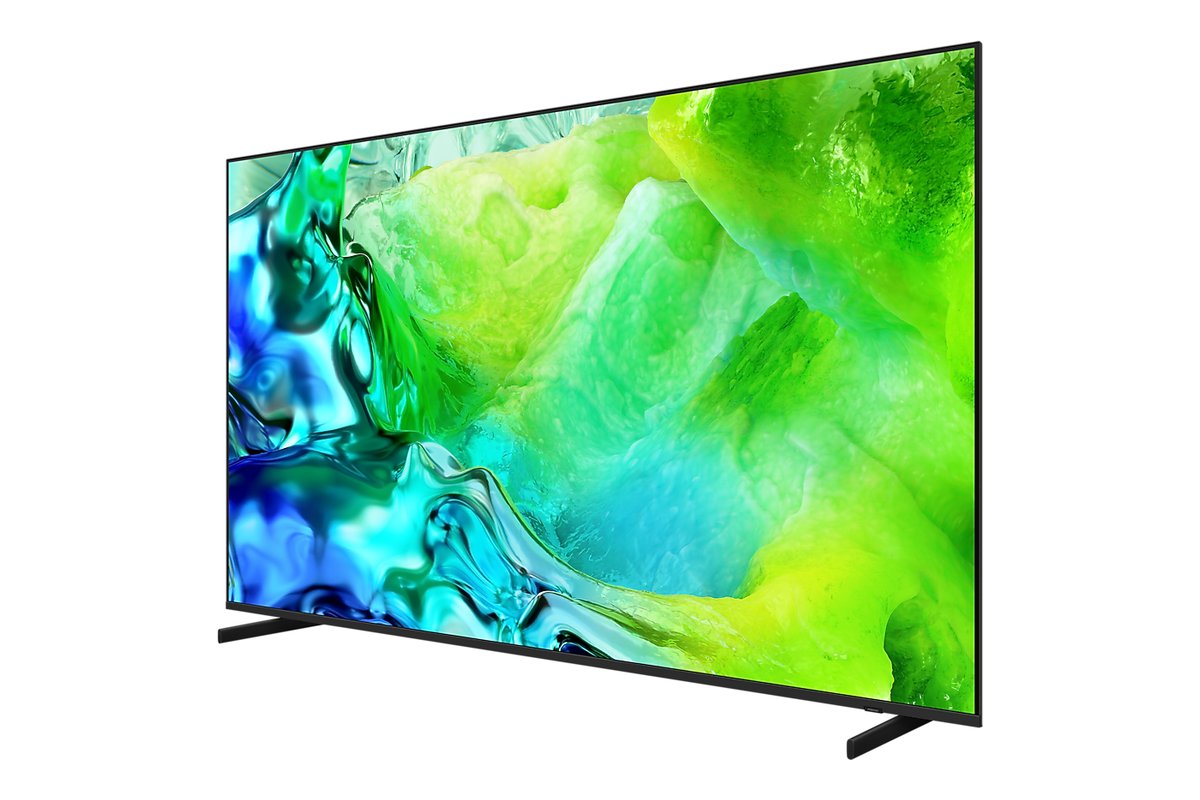
The QN80H (QA55QN80HAULXL) is the Mini LED we’d buy for a PS5, Xbox or gaming PC. It’s the only 55-inch here with 4K 144Hz documented on all four HDMI inputs, so two consoles and a soundbar on eARC all get full-speed ports with one to spare. It adds FreeSync Premium Pro, ALLM, HGiG and Samsung’s three-year comprehensive warranty.
It’s a Neo QLED, Samsung’s name for quantum dots plus a Mini LED backlight, and unlike the M80H, its 30W speakers support Dolby Atmos. What you don’t get is Dolby Vision, and Samsung doesn’t publish its zone count or brightness. Its Amazon listing has only two ratings, too few to judge.
At around Rs 88,000 it costs about Rs 23,000 more than the Toshiba. That buys the port flexibility and Samsung’s warranty; Samsung publishes nothing that shows a better picture.
Amazon stock for the QN80H comes and goes. It is a current Samsung model, so if the listing shows it unavailable, check again in a few days or look at the TCL above.
What the extra money buys
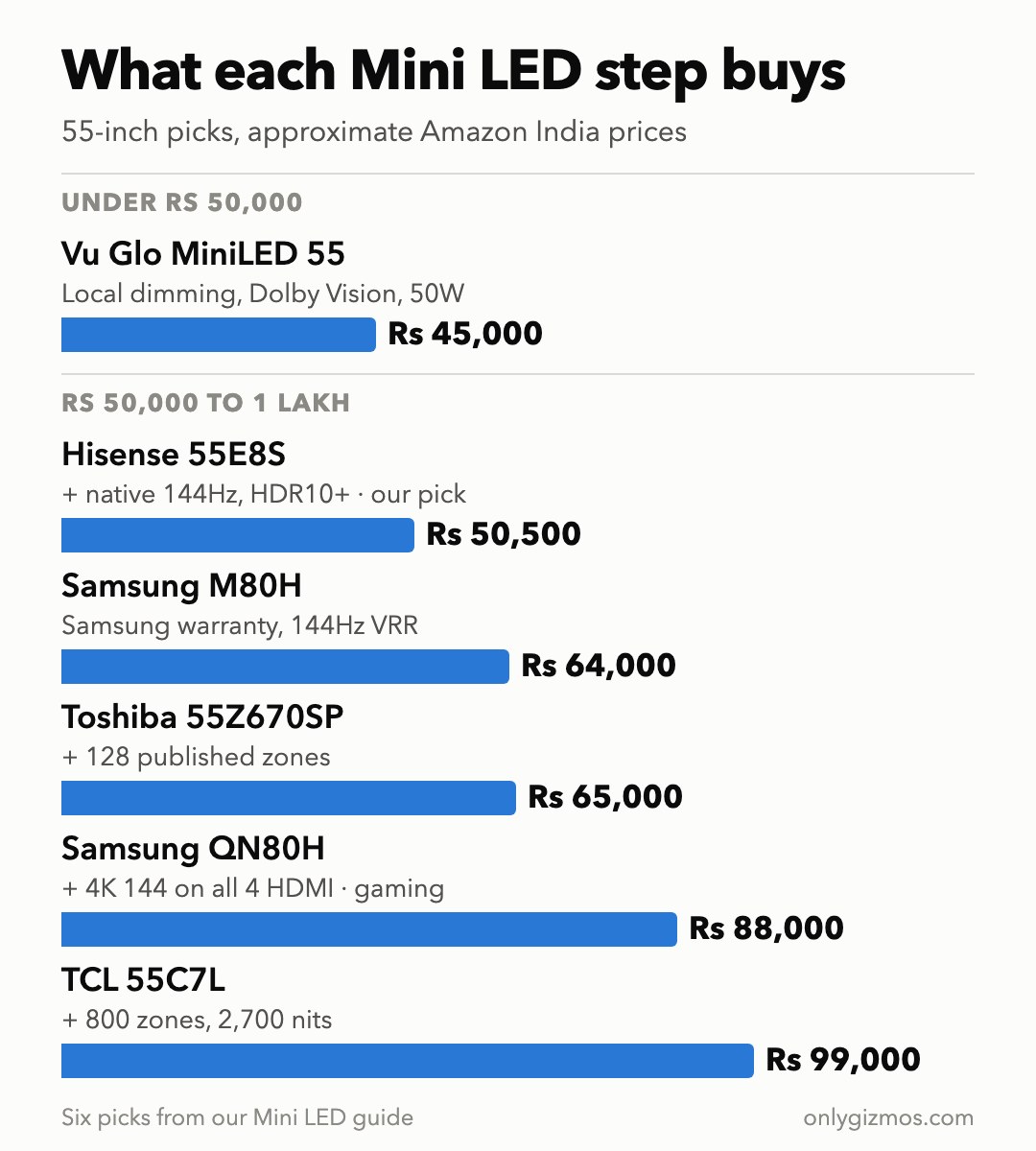
Start at the Vu, around Rs 45,000, and each step buys something specific:
- About Rs 5,500 more (Hisense 55E8S): a native 144Hz panel, up to 1,000 nits, HDR10+ and a fourth HDMI input. The best-value step in this guide.
- About Rs 14,500 over the Hisense (Toshiba 55Z670SP): a published 128-zone backlight and HDMI 2.1 confirmed on two inputs, though the panel is 120Hz rather than 144Hz and it’s rated 600 nits at peak against the Hisense’s 1,000.
- About Rs 23,000 over the Toshiba (Samsung QN80H): 4K 144 on all four HDMI inputs and a three-year comprehensive warranty, but no Dolby Vision.
- About Rs 11,000 over the QN80H (TCL 55C7L): 800 zones, up to 2,700 nits and Dolby Vision.
Two Samsung price gaps to know. The M70H costs about Rs 7,500 more than the M2EH for the same listed picture specs; the difference is a three-year comprehensive warranty instead of two years with the second on the panel only. And the QN70H, at around Rs 75,000, costs about Rs 11,000 more than the M80H for a 60Hz-class panel. Skip it.
Size up instead? The Vu Glo MiniLED at 65 inches is around Rs 58,000, about Rs 13,000 more than the 55. If you sit 2 m or more from the screen, that’s a better use of money than a pricier 55-inch, and it’s also our answer to the common “55-inch Mini LED or 65-inch QLED?” question: at that distance, take the bigger Mini LED. Our viewing distance guide works out your room; our 65-inch TVs guide makes it the default pick at that size.
Spot fake Mini LED and fake 144Hz
Listings in this category mislead more than most. Check these before you pay:
- Samsung M2EH and M70H are Mini LEDs, but their panels are 50/60Hz with “DLG 120”. Samsung’s pages for them carry a “Motion Xcelerator 144Hz” banner that belongs to the M80H.
- Samsung QN70H has DLG 120 and no VRR row in its spec table, even though its FAQ promises 144Hz and FreeSync Premium Pro. Trust the table.
- Toshiba 55Z670SP is sold as “native 144Hz”; its own spec table says 120Hz. Still a real gaming panel, just not 144.
- TCL 55C7L “288Hz” is a half-resolution mode. The panel is 144Hz.
- Xiaomi FX QD-Mini LED “120Hz Game Booster” and Philips 55MLED610 “120Hz HSR” are 60Hz panels.
- TCL Q6C and Q6CS look alike; the Q6CS is a 60Hz model.
- Zone counts that belong to another size. TCL’s “up to 512 zones” for the Q6C is the 98-inch figure. Read the footnotes.
What owners report
Most Amazon ratings here are pooled or thin. The Vu’s mix 50 to 65 inches, the Toshiba’s mix several Z-series models, and the M80H and QN80H have only a handful each. Read reviews for your exact size and code.
Two themes repeat. Vu owners praise the sound and brightness, some saying they didn’t need a soundbar; one 65-inch buyer, though, received a unit with parts missing, so check the box at delivery. And in comments on Indian TV videos, TCL’s after-sales service and warranty handling come up again and again, along with requests to compare 55-inch Mini LEDs against 65-inch QLEDs for the same money. None of this proves anything about one TV, but it’s worth acting on: check that the brand has a service centre for your PIN code and register the warranty on installation day.
Other Mini LED TVs we considered
Samsung M2EH, around Rs 48,500. The cheapest Samsung Mini LED, with 853 Amazon ratings. But it’s a 50/60Hz panel with 30W of sound, no Atmos listed and a second warranty year that covers only the panel. The Vu is the better TV for less.
Samsung M70H, around Rs 56,000. The M2EH’s picture with a three-year comprehensive warranty. For Rs 8,000 more, the M80H adds a real 120Hz-class panel.
Xiaomi FX QD-Mini LED 55, around Rs 39,000. The cheapest 55-inch Mini LED we considered, on Fire TV. It’s a 60Hz panel with 20W of sound, Xiaomi’s own spec page doesn’t carry the model code, and 18% of its ratings are one-star. Spend Rs 6,000 more on the Vu.
TCL 55Q6C. A popular 120Hz QD-Mini LED that owners report buying for Rs 35,000 to 40,000 in sales. Amazon stock comes and goes, so check before you count on it.
TCL 65Q7D, around Rs 1.1 lakh. For 65 inches, this RGB Mini LED with 1,344 zones and four HDMI 2.1 inputs is the Mini LED to buy; it’s the Mini LED pick in our 65-inch guide.
Philips 55MLED610 and Samsung QN70H. Left out: the Philips has no Philips India product page and a 60Hz-class panel; the QN70H costs more than the M80H for a slower panel.
Which one should you buy?
Buy the Hisense 55E8S. At around Rs 50,500 it gives you a real 144Hz panel, both HDR formats and four HDMI inputs, which is more than most buyers will need for years.
If Rs 50,000 is a hard ceiling, the Vu Glo MiniLED 55 is the one, especially if sound matters. If you want a zone count you can verify for under Rs 70,000, the Toshiba 55Z670SP. Gamers with two consoles should buy the Samsung QN80H, Samsung loyalists the Samsung M80H, and anyone chasing the brightest picture under a lakh the TCL 55C7L. Whichever you choose, read the refresh rate in the spec table, not the listing title.
Last updated: October 2026