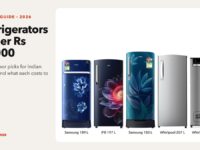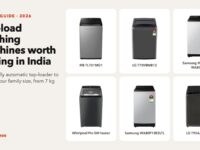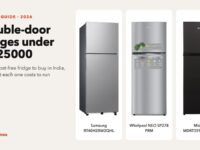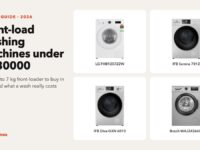
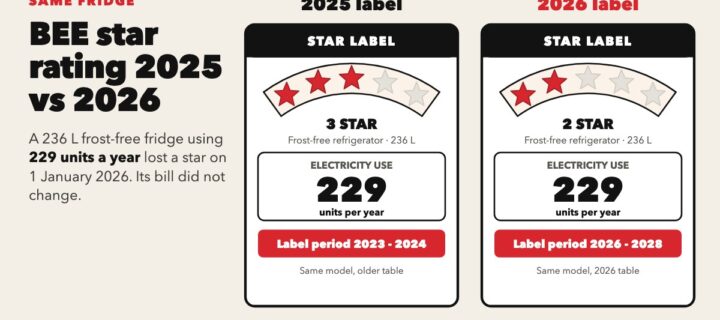
The BEE star rating changed on 1 January 2026, and the same appliance can now carry fewer stars than it did in 2025. A frost-free fridge that was 3-star on a 2025 label is 2-star today, and a split AC needs an ISEER of 5.6 for five stars instead of 5.0. Washing machines did not change in 2026.
So when you compare a 2025 and a 2026 model, ignore the stars at first. Read the units per year on the label (and the ISEER on an AC) and multiply by your tariff. That gives you an estimate of each one’s energy cost; your real bill will move with room heat, hours of use and your tariff slab. Below we do that maths for ten real models on sale now.
BEE star rating 2025 vs 2026 at a glance
| Appliance | 2025 vs 2026 | Compare this |
|---|---|---|
| Frost-free fridge | Every band moved down one star | Units per year |
| Split AC | Five stars now takes ISEER 5.6 (was 5.0) | ISEER and units per year |
| Window AC | Five stars now takes ISEER 3.7 (was 3.5) | ISEER and units per year |
| Washing machine | No change (last reset in January 2024) | Energy per wash |
Why BEE star ratings change
A star rating is a band on a table. For a fridge, BEE sets a range of annual electricity use for each star, and the range depends on the fridge’s total volume. For an AC, the bands are ranges of ISEER, the efficiency figure explained below. Fall inside a band and you get that many stars.
As the market gets more efficient, the old bands stop separating good from average. So BEE notifies a new table with a fixed validity period, and every model is re-rated against it. An approved model can carry over to the new table through what is called the continuation or degradation option, at the star it now earns, usually one lower.
That is why a star only means something next to its label period, the years its table is valid for, and only within one appliance type.
How to read a BEE star label
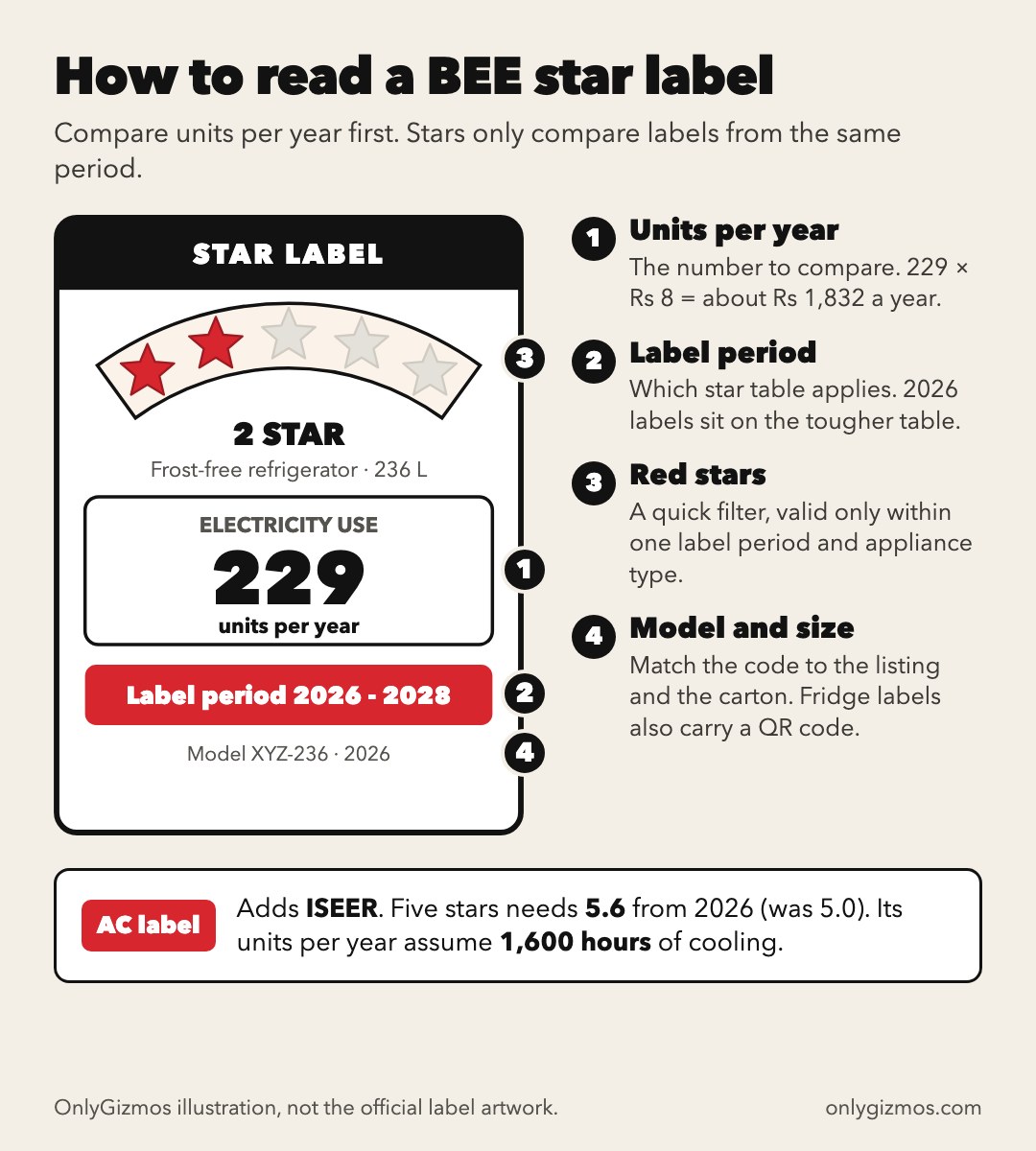
Every refrigerator label carries the same set of details, and they matter in this order:
1. Units per year. The electricity the model uses in a year on the standard test, printed in kWh, which is the same as units on your bill. This is the number to compare. 2. Label period. The years of the table the stars were awarded under. New fridge labels say “2026 – 28 Label Series”. If the period ends in 2024 or 2025, the stars were earned on the easier table. 3. The red stars. Useful as a quick filter, but only within the same label period. 4. Model number, total volume and year. Match the model code to the listing and the carton, so you know the label belongs to the unit you are paying for. Fridge labels also carry a QR code, near the top right of the fridge’s front and on the carton; since October 2025 each code is tied to that unit’s production record with BEE.
To check a model yourself, search it on BEE’s database at beestarlabel.com (Search and Compare). For fridges and ACs it shows the rated units and the date the label is valid until; the search can be fussy, so try the base model code too. If only a newer model code shows up, the label in front of you is probably from the old table. BEE also introduced a redesigned label from July 2026; models can switch to it without changing their stars or validity, so if two labels for one model look different, check that the numbers match.
Fridges: 2025 vs 2026 star rating
For frost-free single-door and double-door fridges, the 2026 table (valid to the end of 2028) shifted every band one place. What was 3-star efficiency is now 2-star, old 4-star is now 3-star, and old 5-star is now 4-star. Five stars needs a new, lower limit. Direct-cool single-door fridges got a revised table on the same date. Side-by-side and multi-door fridges follow a separate BEE schedule.
Here is what that means for a 236-litre frost-free fridge, a common double-door size:
| Stars in 2026 | Units a year | Cost at Rs 8 a unit |
|---|---|---|
| 5 star | Under 161 | Under Rs 1,288 |
| 4 star | 161 to 184 | Rs 1,288 to Rs 1,472 |
| 3 star | 184 to 212 | Rs 1,472 to Rs 1,696 |
| 2 star | 212 to 243 | Rs 1,696 to Rs 1,944 |
| 1 star | 243 to 280 | Rs 1,944 to Rs 2,240 |
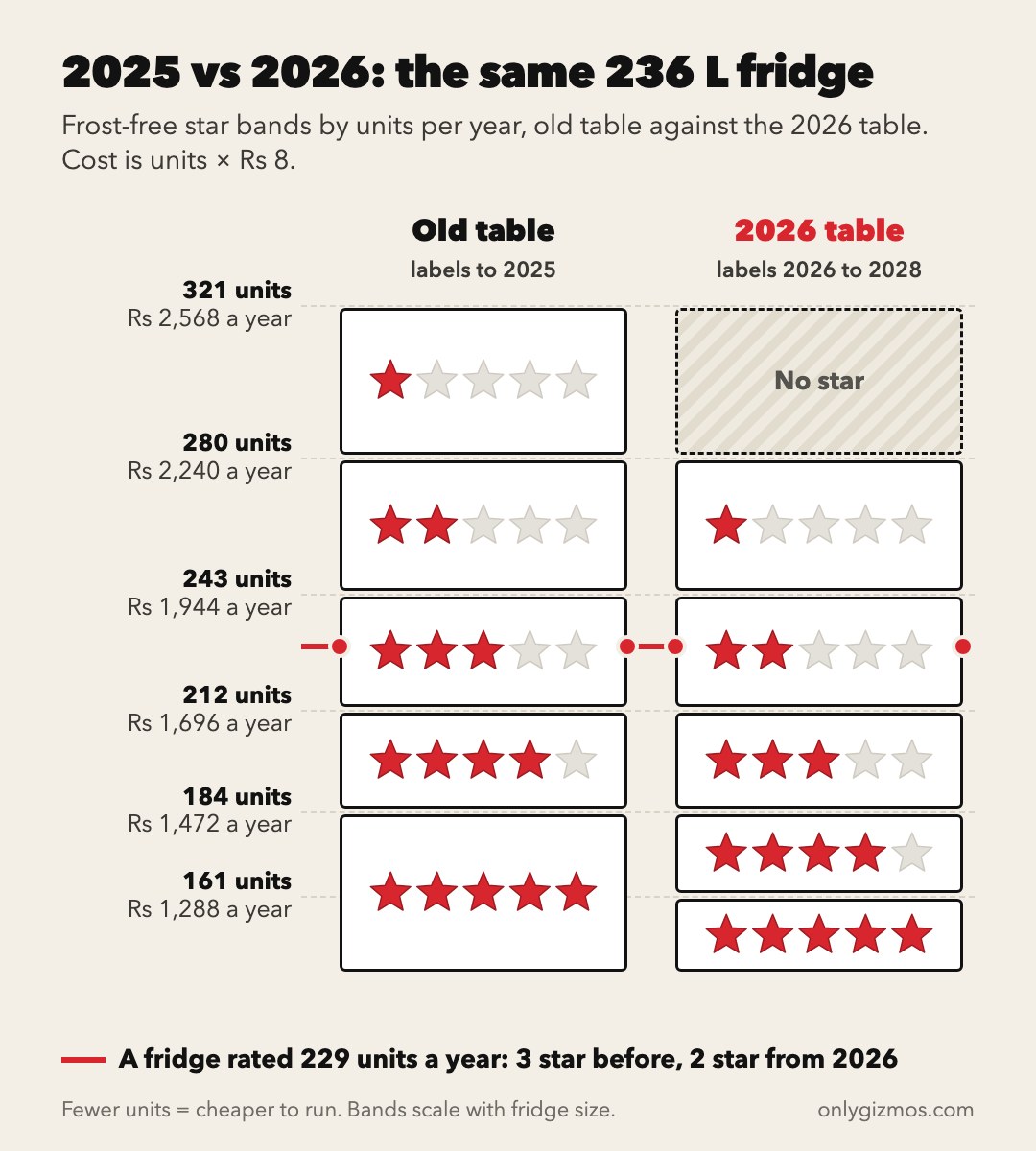
A fridge rated 229 units a year is 3-star on the old table and 2-star on the new one. Nothing about the fridge changed; the table did. That is why “2 star” on a new fridge is not the warning it used to be: on Amazon, every in-stock double-door under Rs 25,000 with a 2026 label is 1-star or 2-star.
The bands also scale with volume. At 236 litres the 2026 3-star limit is about 212 units; at 340 litres it is about 224. A bigger fridge can carry more stars and still use more electricity, so compare units when the sizes differ.
ACs: 2025 5 star vs 2026 5 star
ISEER, the Indian Seasonal Energy Efficiency Ratio, is the cooling an AC delivers over a year divided by the electricity it uses. BEE works it out with Indian outdoor temperatures from 24 C to 43 C and assumes 1,600 hours of cooling a year, about eight hours a day for 200 days. Higher is better, and the label’s units per year come from the same 1,600-hour assumption.
From 1 January 2026, the split AC bands are:
| Stars | ISEER from 2026 | ISEER before 2026 |
|---|---|---|
| 5 star | 5.6 and above | 5.0 and above |
| 4 star | 5.0 to 5.59 | 4.4 to 4.99 |
| 3 star | 4.3 to 4.99 | 3.8 to 4.39 |
| 2 star | 3.8 to 4.29 | 3.5 to 3.79 |
| 1 star | 3.5 to 3.79 | 3.3 to 3.49 |
So a split AC with ISEER 5.2 that carried five stars on a 2025 label is a 4-star AC by the 2026 table. Window ACs moved the same way: five stars takes an ISEER of 3.7 (3.5 before), and every lower band slipped one star.
The split-AC table is valid only until the end of 2027, a year shorter than first notified, so check for a newer table if you buy from 2028. The window AC table runs to the end of 2029.
Washing machines: a different reset cycle
Washer labels did not reset in 2026. Star labelling became compulsory for washing machines on 1 January 2024, with a tighter table and the same continuation route for older models. That table’s label period runs to 31 December 2026, so check BEE for an extension or a new table when you shop in early 2027.
The figures a washer is rated on are per wash: energy in kWh per kg of load per cycle, the rated load and the water used. The energy figure comes from a standard cotton programme (30 C or 60 C), which most machines call eco or label, and the programme you pick can move the bill a lot. On a 7 kg front-loader whose manual lists every programme, the label programme uses 0.49 kWh, while a regular 60 C cotton wash uses 1.30 kWh: about Rs 3.90 against Rs 10.40 a wash. At five washes a week, that is roughly Rs 1,020 against Rs 2,700 a year.
Real models and their 2026 labels
These are models on sale on Amazon India, with the stars and units from each model’s energy label. “Old” is the star the same figures earn on the pre-2026 table. Yearly cost is units × Rs 8. Two of them are still sold on pre-2026 labels, and they show exactly why you should read the units.
Split ACs: 3 star vs 5 star
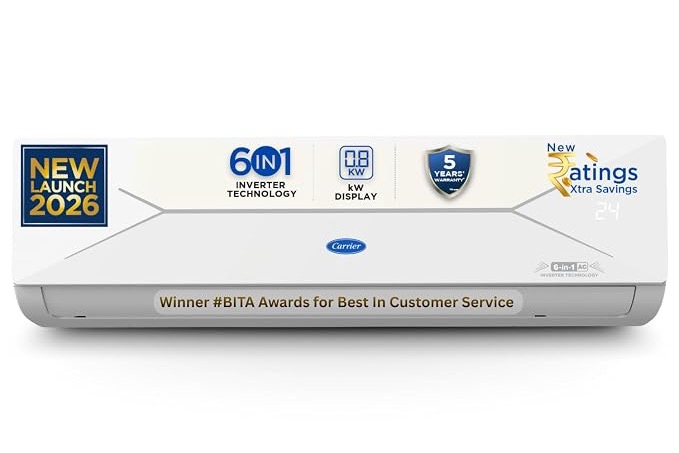
| Model | Stars and ISEER | A year |
|---|---|---|
| Carrier CAI18EE5R36F0 | 5 star, ISEER 5.6 | 663 units, Rs 5,306 |
| Carrier CAI18CE3R36F1 | 3 star, ISEER 4.35 | 854 units, Rs 6,835 |
| Carrier CAI19EE5R35W0 (old label) | 4 star (sold as 5), ISEER 5.13 | 754 units, Rs 6,032 |
The first two are the cleanest 3 star vs 5 star comparison you will find: the same Carrier Ester Edge Gxi family with the same 4,800 W rated cooling, and each has the same stars on the old and 2026 tables. The 3-star’s label figures match Carrier’s published numbers for the 1.5-ton model. At BEE’s 1,600 hours the 5-star saves about 191 units, or Rs 1,529 a year. The 5-star CAI18EE5R36F0 costs around Rs 44,990 against about Rs 35,990 for the 3-star CAI18CE3R36F1, so the Rs 9,000 gap pays back in about six years. Run the AC longer than eight hours a day through a long summer and it pays back sooner; use it mostly for a few weeks and the 3-star is the better buy. Our 1.5 ton 5 star AC guide does this label maths for every pick.
The third is the trap. Carrier’s older CAI19EE5R35W0 is still sold as “5 star”, but on a 2025 label. Carrier’s own site does not list it, so these are the label figures shown on its Amazon listing. Its ISEER of 5.13 makes it a 4-star by the 2026 table. It uses about 91 more units a year than the 2026 5-star (Rs 726), and on Amazon it costs about Rs 1,900 more. It has slightly more rated cooling (5,000 W against 4,800 W), but most of the gap is lower efficiency, not size. Buy the 2026 Carrier CAI18EE5R36F0 instead.
Frost-free fridges: 2 star vs 3 star vs 5 star
| Model | Stars | A year |
|---|---|---|
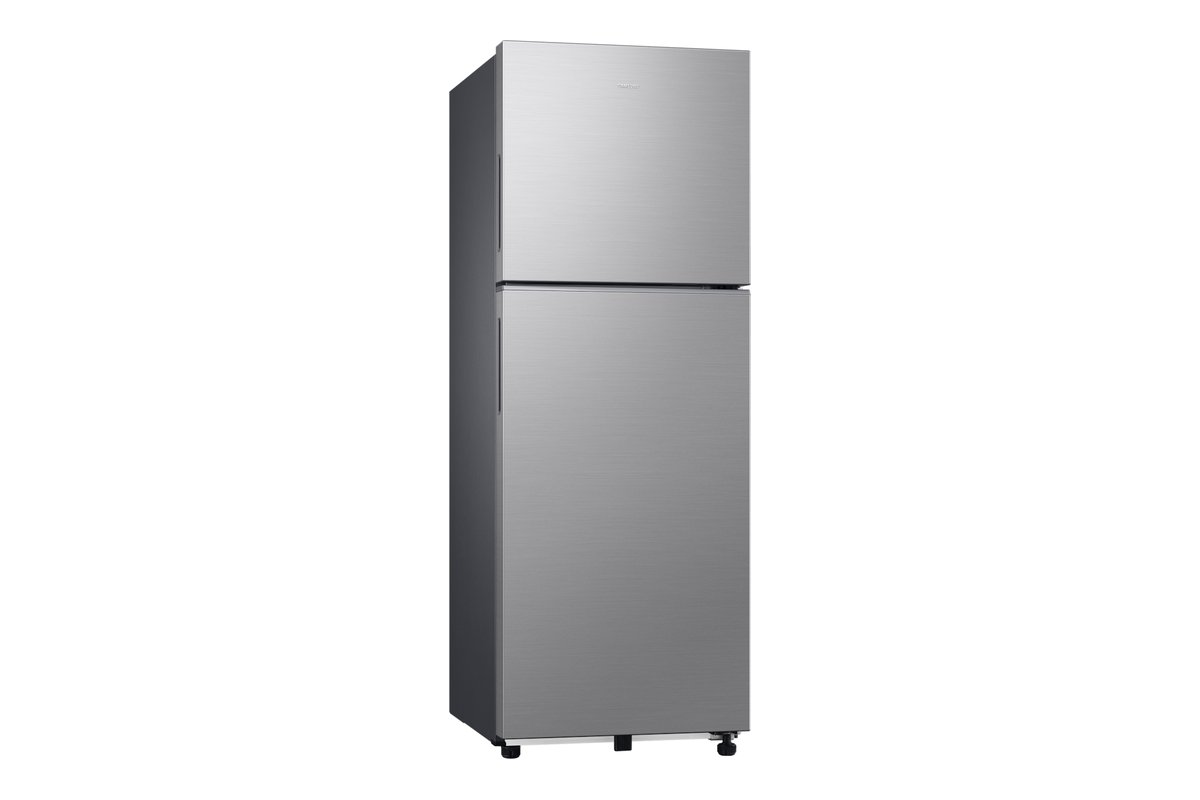
| Samsung RT40H28W2QHL, 236 L | 2 star (old: 3) | 229 units, Rs 1,832 |
| Samsung RT40H28U3THL, 236 L | 3 star (old: 4) | 200 units, Rs 1,600 |
| LG GLT2516WWPZ, 251 L | 1 star (old: 2) | 268 units, Rs 2,144 |
| Godrej RT EONALPHA 270B (old label), 238 L | 1 star (sold as 2) | 265 units, Rs 2,120 |
The two Samsungs share a 236-litre body. The 3-star saves 29 units, Rs 232 a year, for about Rs 2,500 more (around Rs 27,490 against Rs 24,990), so the extra star alone takes about 11 years to pay back. Buy the Samsung RT40H28U3THL for its convertible freezer if you want that, not for the bill.
A 5-star fridge of the same 236-litre size has to stay under 161 units, at least 39 fewer than that 3-star: Rs 312 a year or more. Across the bands, two stars apart is about 50 units, roughly Rs 400 a year, at this size. That is the honest answer to 3 star vs 5 star: worth a few thousand rupees over a fridge’s life, not tens of thousands.
The LG is 15 litres bigger, but its 1-star label adds 39 units over the Samsung 2-star, Rs 312 a year, and it costs about Rs 900 more. Buy it only if you need the space.
The Godrej is the fridge version of the AC trap. It is sold as 2-star, but that rating comes from the old table: at 265 units for 238 litres it would be 1-star today, and BEE’s database now lists only its successors, such as the RT EONALPHA 270BN at 226 units, which is 2-star on the 2026 table. At around Rs 24,990, the same price as the 2026 Samsung 2-star, it costs about Rs 288 a year more to run. Pick the Samsung RT40H28W2QHL.
Washing machines: 5 star front-loaders
| Model | Stars | A year |
|---|---|---|
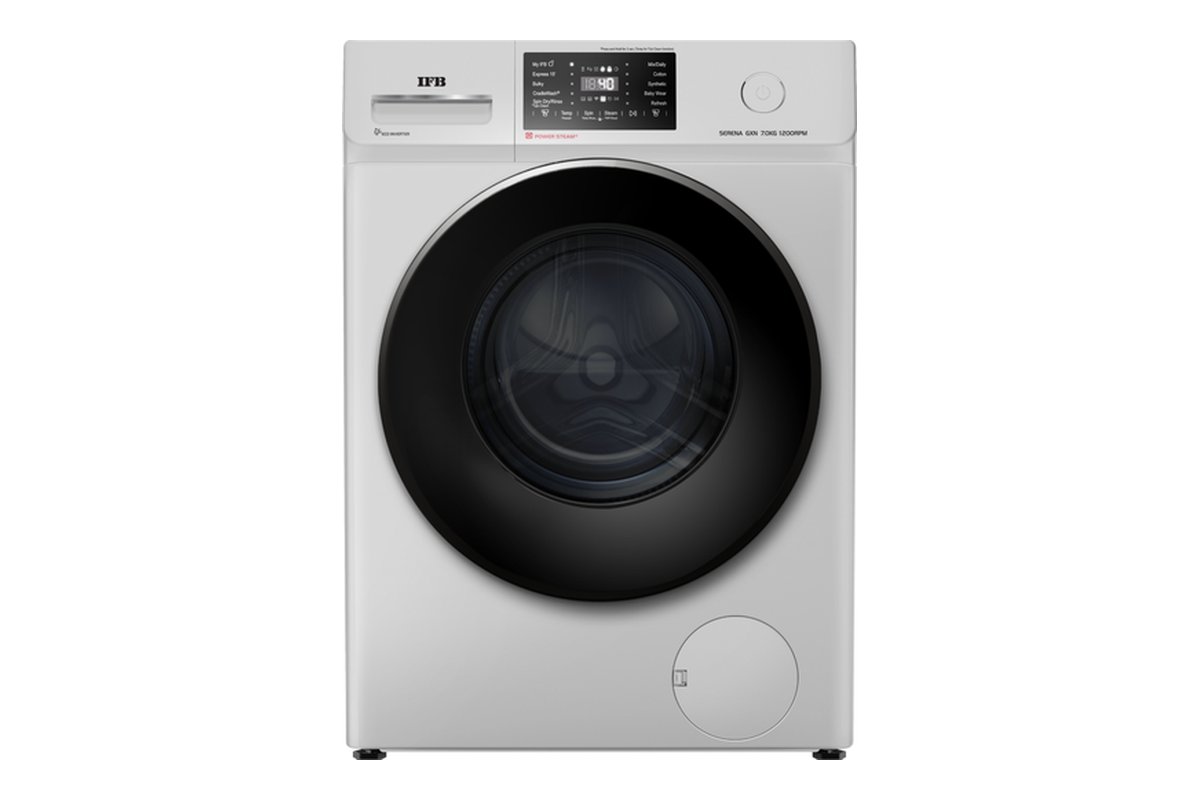
| IFB Serena VXN 7012, 7 kg | 5 star | 0.49 kWh a wash, Rs 1,019 |
| IFB Diva GXN 6010 CMS, 6 kg | 5 star | 0.42 kWh a wash, Rs 874 |
| LG FHB1207Z2W, 7 kg | 5 star | Not published |
Washer yearly costs assume five full washes a week on the label programme. All three cost around Rs 24,990 to Rs 27,989. For two or three people the IFB Diva GXN 6010 is the cheapest to buy and run; pick the IFB Serena VXN 7012 if you need 7 kg. The LG has no published per-wash energy figure, so ask the seller for the label if you want to compare it with the IFBs.
Old stock with a pre-2026 label
You may still see appliances with pre-2026 labels, like the Carrier and Godrej above, sometimes at a price that looks like a deal. The label was valid when the unit was made; its stars come from the easier table. Here is how to read them:
- Frost-free fridge: if the label period ends in 2024 or 2025, take one star off to compare it with a 2026 label, or better, compare the units per year directly.
- Split AC: an old label period ends in 2024 or 2025. Read the ISEER: below 5.6 it is not 5-star by the 2026 table.
An old-label model is a good buy only when its units per year are close to the new model’s. At Rs 8 a unit, each extra 10 units on the label adds Rs 80 to the yearly bill.
Built in 2025, labelled 2026? A common worry is an AC whose box says it was made in December 2025 while the label says 2026. That can be right. Makers moved models to the 2026 table from October 2025, so a late-2025 build with a 2026 label is not a red flag on its own. Check that the label period starts in 2026 and that the model code matches the listing and the label.
Myths and marketing terms
“5 star means lowest bill.” Only within one size and one label period.
“Inverter means 5 star.” No. The LG above has a Smart Inverter compressor and a 1-star 2026 label. The compressor type is not the rating; the label is.
“New star rated” in the title. On Amazon it usually means a 2026 label. Check the label period on the product images anyway, because titles are written by sellers.
Percentage savings claims. “Saves up to X percent” rarely says what it is compared with. Your saving is the difference in label units between the two models you are choosing between, times your tariff.
Where to go next
- Best 1.5 ton 5 star inverter ACs in India: 2026-label picks with ISEER, units a year and running cost for each.
Last updated: October 2026